
Stephen
Terry, Director


Reality
Check
Commentary
for the April 4, 2026, Sabbath School Lesson
"For
everything that was written in the 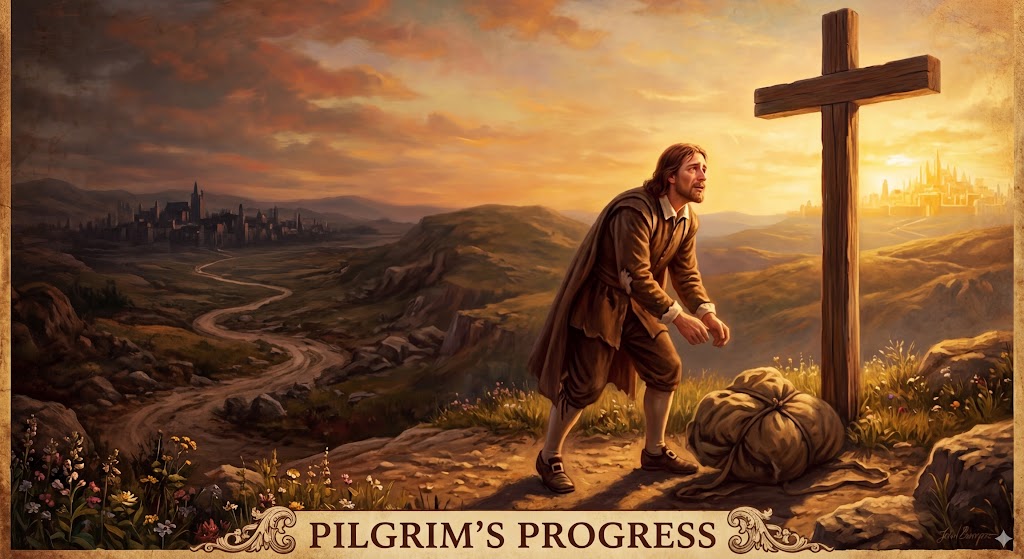 past was written to teach us, so that
through the endurance taught in the Scriptures and the encouragement they
provide we might have hope." Romans 15:4
past was written to teach us, so that
through the endurance taught in the Scriptures and the encouragement they
provide we might have hope." Romans 15:4
If there is one thing that humanity
learns universally it is the blame game. The Bible says it goes all the way
back to Genesis. After they ate the forbidden fruit from the Tree of the Knowledge
of Good and Evil in the Garden of Eden, Adam and Eve hid among the plants of
the garden. God, who missed them and their regular walks together came looking
for them and found that they had eaten the banned fruit. Instead of expressing
sorrow for their transgression, Adam blamed Eve and blamed God for creating
her, Eve in turn blamed the serpent, another creation of God. When God told
them what the results would be now that they had opened Genesis's equivalent to
Pandora's Box, they may have lamented the loss they would now incur, including
losing access to their beloved garden, but they do not appear to have felt true
sorrow for their sin. The Bible makes no mention of their repentance.
This lack of repentance could
explain why Cain and his descendants felt no guilt over their choices but only
lamented their punishment. The murderous Lamech's lament illustrating the attitude.
(Genesis
4:23-24) Abel sought to restore a relationship with God until Cain killed
him, but it wasn't until the birth of Enosh that some of Seth's descendants
sought to return to God. Enoch, Enosh's great-great-grandson epitomized that
effort when he walked so closely with God that God invited him home to live
with him. Despite those scattered efforts at restoration, the tide of evil
unleashed by Adam and Eve flooded the entire earth leaving a dysfunctional
family of a father and mother, their three sons and those sons' wives to carry
on after that tsunami of evil destroyed everything. Despite mankind's desire to
shift the blame for evil onto God, he kept the door open, establishing a
covenant with Noah and his family.
Later, that covenant was renewed
and expanded upon with Abram and renewed again with Moses and the children of
Israel as they wandered in the wilderness. But the people continued to complain
and murmur against God with very few exceptions, Caleb and Joshua being notable
among those. Prophets arose who understood the problem. They tried to tell the
people that they needed to stop blaming God and repent of their sin. But
instead of repenting they blamed the prophets just as they blamed God. (2
Chronicles 18:6-27) And even though they could not do away with God, they
were not above murdering his prophets. The writer of Hebrews tells us, "Some
faced jeers and flogging, and even chains and imprisonment. They were put to
death by stoning; they were sawed in two; they were killed by the sword. They
went about in sheepskins and goatskins, destitute, persecuted and mistreated--the
world was not worthy of them. They wandered in deserts and mountains, living in
caves and in holes in the ground." (Hebrews 11:36-38)
As modern Christians we think we
would not do such things, but we betray our true hearts when we say such things
as "If God exists why does he allow such evil in the world?" We continue the
same spirit from the beginning, blaming God instead of recognizing our own responsibility.
We childishly act as though in leveling such blame we can eliminate God and
thereby deny any possibility of reconciliation with someone who supposedly
doesn't exist. But the prophets understood this game. Referring to the singular
example of Enoch going to live with God, we are told "without faith it is
impossible to please God, because anyone who comes to him must believe that he
exists and that he rewards those who earnestly seek him." (Hebrews 11:6) If
there is no God, it removes the idea of repentance and therefore the
possibility of reconciliation. Without that, we must fend for ourselves in life,
contesting with others over our desires versus theirs. As we fight those
battles, we carry an ever-increasing burden of guilt. Blaming others does not
seem to reduce that burden. They only respond by blaming us, and we continually
add to one another's burdens, leaving us each despondent as we contend with one
another trying to carry all of that through the cesspool of life that we have hurled
each other into. As Pilgrim in John Bunyan's novel, "Pilgrim's Progress"
discovered, that burden can only be removed at the cross.
When the people despaired after
he rebuked them for what they had done to Jesus, the Apostle Peter told them, "Repent
and be baptized, every one of you, in the name of Jesus Christ for the
forgiveness of your sins. And you will receive the gift of the Holy Spirit."
(Acts 2:38) Since it is key to a restored relationship with God, it is vital
that we understand what repentance is. In the Greek, it means to stop walking
away from God and start walking toward him. We need to stop blaming God for the
evil in the world and acknowledge our own complicity in that evil. Instead of
seeing God as some remote force or entity that cares little about what happens
to us here on earth, we need to see him as Adam originally saw him, a loving
companion as they walked and talked together in Eden.
Repentance is something poorly
understood and even more poorly preached in churches today. Instead of pursuing
reconciliation with God, we are taught to find salvation in dogma while
pursuing success in this world through education and the accumulation of power and
wealth enabled by that education. This is why we have apologists with doctoral
degrees that have never known the experience of the transformation that
repentance brings. They have grown up in the church, even attending parochial
schools at great expense all the way to those advanced degrees. Then they
assume leadership positions in the church, presuming to guide others to heaven
when they do not have the slightest idea how to get there themselves. They feel
that a belief statement will be the key to open heaven's gates, and if not
entirely adequate, it can be refined until it is. They do not see that such statements
were never meant to open gates but to close them, to make it easier to sift the
tares from the wheat, parsing out the possibility of the miraculous ability of
tares to become wheat. That is the very essence of repentance, and it is being
tossed to the curb in favor of judgment and condemnation.
We go through life with our
expensive educational degrees and certificates observing days and times
according to the teachings of the church. We backstab and claw our way to positions
of influence in our churches and communities, believing the lie that this is
what God would have us do. We even arrogantly claim that we are specially
called for such a purpose. Pay no attention to the wounded souls we leave in
our wake. They wouldn't have made it to heaven anyway. But each one testifies
to the lie that we call "Christianity." Our defense of our religion against all
comers is no different than the religious defense that hung Jesus on a rude
wooden cross, bleeding out his life on the trampled ground below. If it were in
our power, we would murder dissenters, just as kings once murdered prophets,
priests and Pharisees murdered Jesus and his disciples, and Crusaders once
murdered the entire population of Jerusalem. Even as I write this, people who
claim to be Christians have no qualms about carrying on the evil work of those
Crusaders in modern times, murdering those who oppose them.
Before Jesus was crucified, he
promised to send the Holy Spirit who would teach us all truth. (John
16:13) But as Peter says, the Holy Spirit is only given in response to
repentance, and it is not arbitrary. Peter says that after repentance and
baptism you WILL receive it as a gift. It is evident in the life of the
recipient. Harshness and a blaming spirit diminish as the Holy Spirit takes up
residence. We were created in the image of God. (Genesis
1:27) That image reflects God's character, and his character is love. (1
John 4:8) We were not created from stone but were created of flesh. The
prophet Ezekiel calls us back to that creation, not by our own efforts but by allowing
God's Spirit to accomplish that change in us. "I will give you a new heart and
put a new spirit in you; I will remove from you your heart of stone and give
you a heart of flesh." (Ezekiel 36:26) No matter how intelligent we might see
ourselves to be, no matter how enriched with this world's goods, no matter how
much power we feel we have to control the lives of others, we will one day die
and all of that will come to naught, and our deeds will follow after us to
either exonerate or condemn us. May we be so filled with God's love in our
hearts that God will say to us as he did to Enoch, "I enjoy walking and talking
with you so much, why don't you come live with me?"